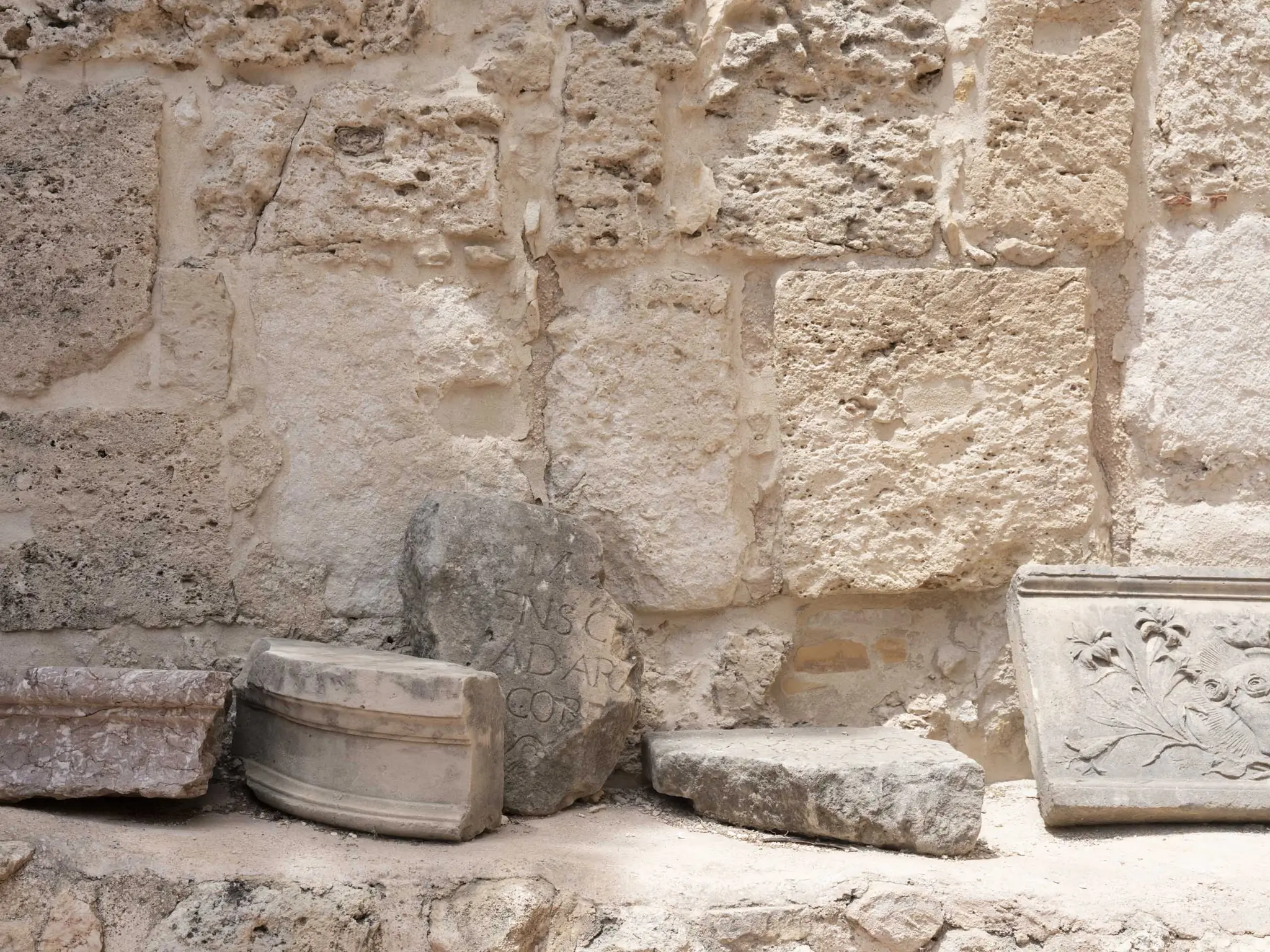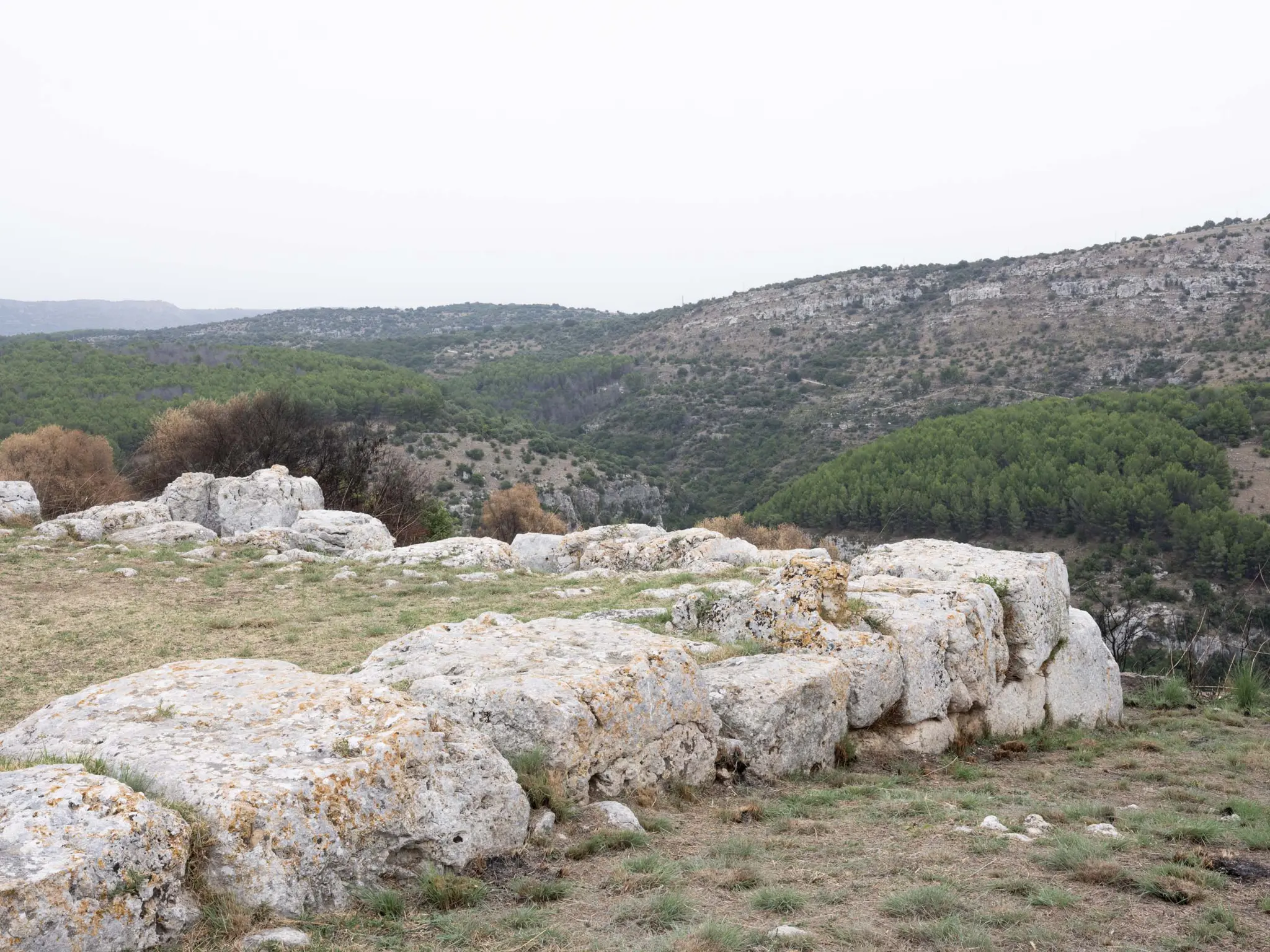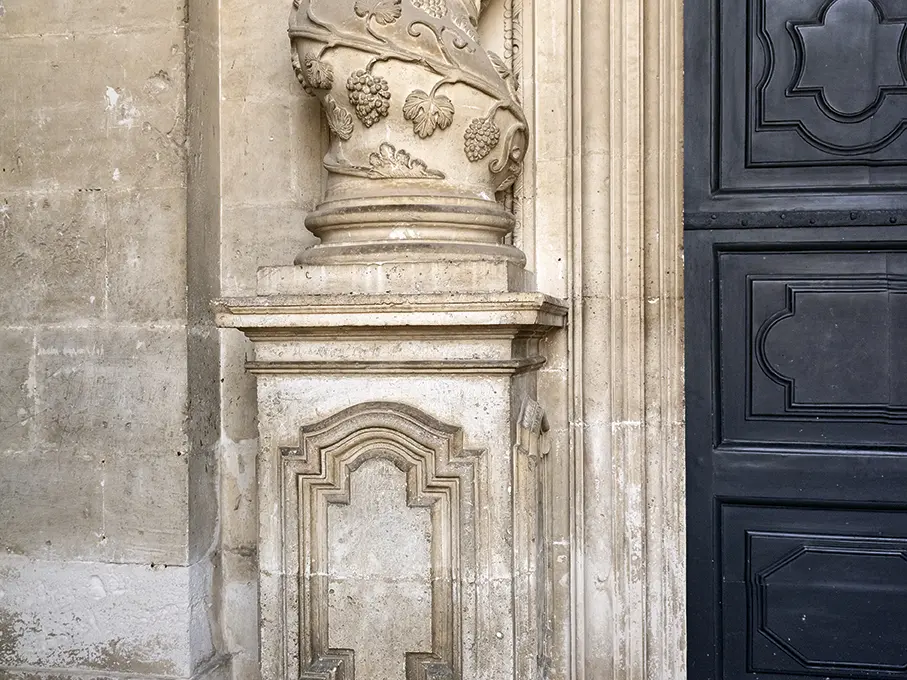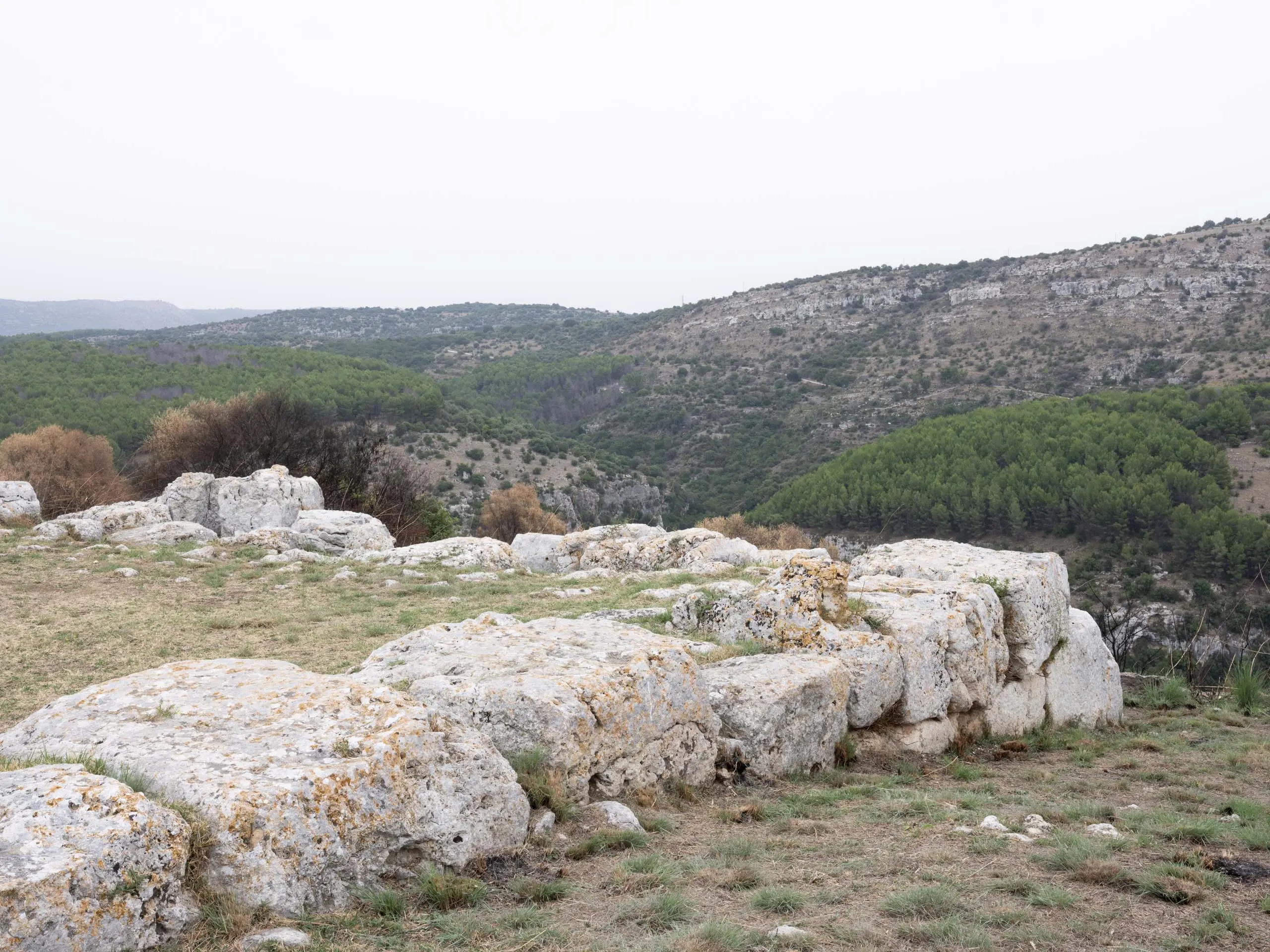
The person most responsible for the reappraisal of Syracuse’s antiquities in the modern age was an intellectual named Vincenzo Mirabella, who in 1615 published a map of the city (printed in Naples) that “brought back to life” two hundred ancient places, including public and private buildings. Even today it would be a struggle to track them all down. But the most fascinating thing about Mirabella is not the vast number of sites he explored and/or researched. The truly important aspect of his efforts was his assertion of a pair of principles, which over time became paradigmatic: the reassertion that the true progenitors of the Syracusans were the Greeks, and the duty to personally verify information about the city’s ancient monuments. The same ruins were then studied by Giacomo Bonanno e Colonna (Dell’antica Siracusa, 1625), complete with a full set of scholarly references to associate each place with the words of authors like Thucydides and Cicero. However, we cannot expect the same degree of scientific rigor from this publication as is found in Mirabella’s work.
A true golden age of rediscovery of ancient sites would not come until the mid-18th century, with the fervor aroused by the unearthing of Pompei and Herculaneum. In Syracuse, the torch was first picked up by a bishop, Matteo Trigona, who advocated the reuse of bases, capitals, marble, columns, and anything Greek or Roman found in excavations, for new buildings, beginning (of course) with the archiepiscopal palazzo in Piazza Duomo. Around the same time, the scholar Cesare Gaetani della Torre became an important reference point for foreign travelers who flocked to Syracuse from 1770 on. New explorations of the catacombs were funded by this archeological pioneer, who published his findings of vases and epigraphs, and translated Anacreon and Theocritus from Greek. In the ecclesiastical sphere during the same period, a key figure was Bishop Giovanni Battista Alagona, who put together a collection of works and founded an important library in 1780. Cesare Gaetani often collaborated with Saverio Landolina, who later became the “custodian” of antiquities in eastern Sicily, and a promoter of major excavations in Syracuse in the late 18th and early 19th centuries.
The first plan to construct a “royal public museum” in Syracuse was conjured up by Landolina, who was known in particular for having rediscovered the technique for making paper from papyrus, as well as for the Venus who bears his name. Today, the Paolo Orsi Archeological Museum stands on ground that once hosted his suburban villa.