Mediterranean Journeys: from Neapolis to Anaktoron stories from the Hyblon Kingdom to Syracuse

explore
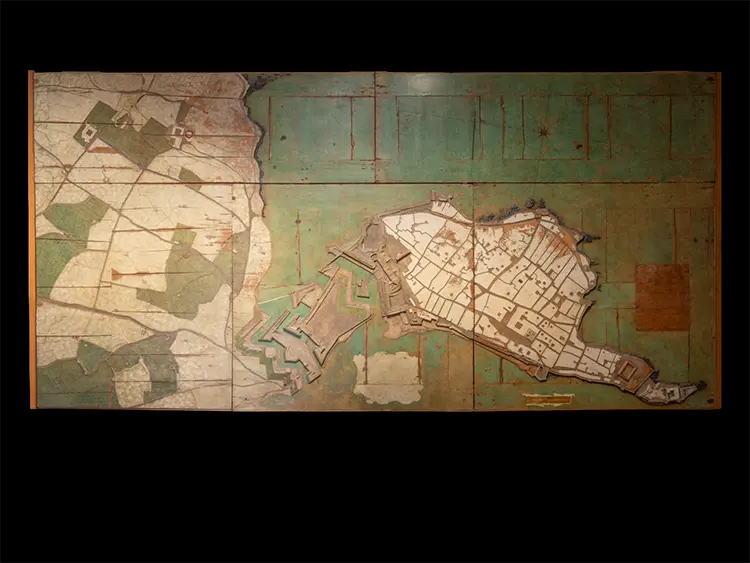
The Origins
Syracuse was the cultural epicenter of Sicily in classical times, but its history does not end there.
explore

Plato in Syracuse
When Plato first came ashore in Syracuse (in 388 BC), it seemed to him not so different from Athens: to him, it was “inevitable that these [two] cities will never cease to witness a succession of tyrants, oligarchs and democracies...
explore
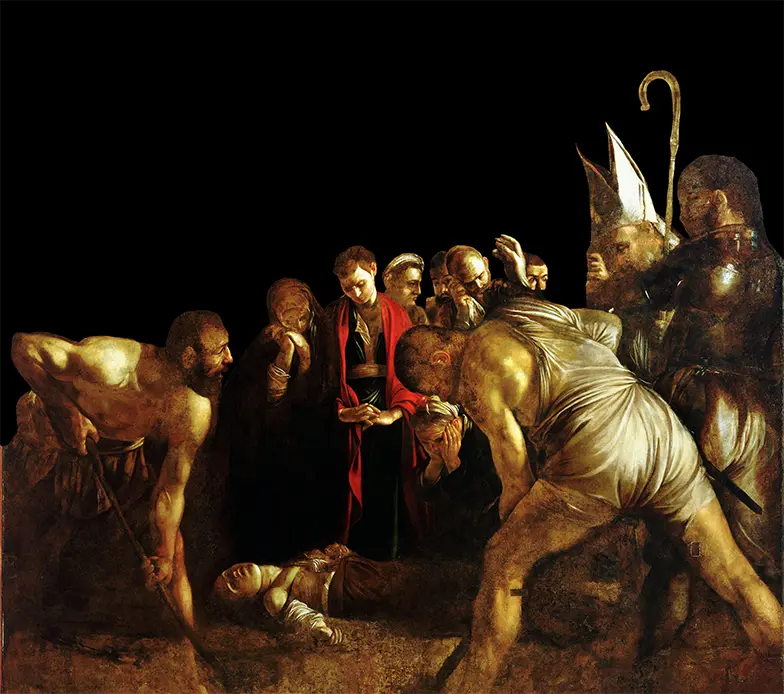
Caravaggio in Syracuse
Since 2020, the first and perhaps most important of the paintings Caravaggio created in Sicily, The Burial of Santa Lucia, has been displayed...
explore

Paolo Orsi
Paolo Orsi was an Italian archaeologist who devoted himself mainly to exploration and archaeological research in Sicily and Calabria.
explore
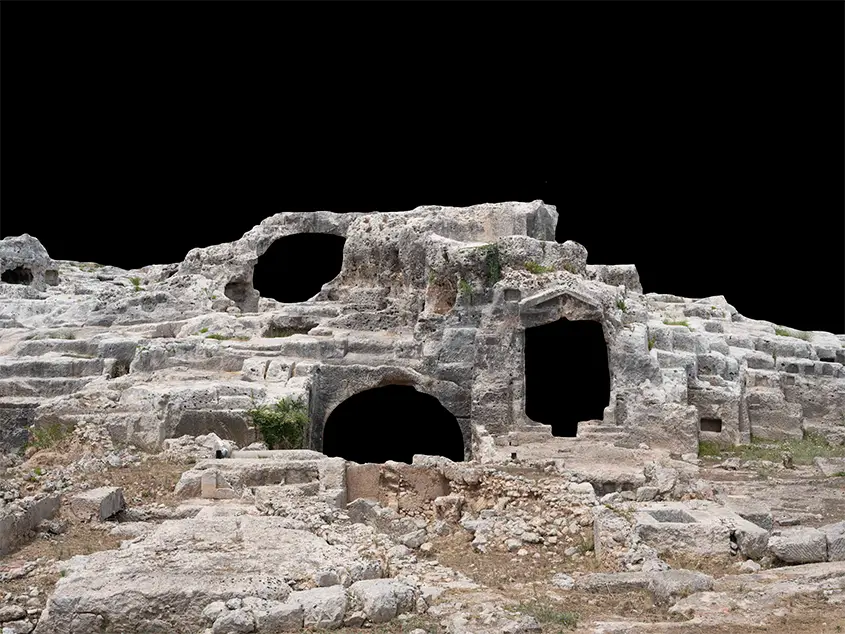
The Myth of Archimedes' Tomb
The eastern end of the Neapolis Archaeological Park features a rocky agglomeration consisting of a series of burial chambers including the so-called Tomb of Archimedes.
explore
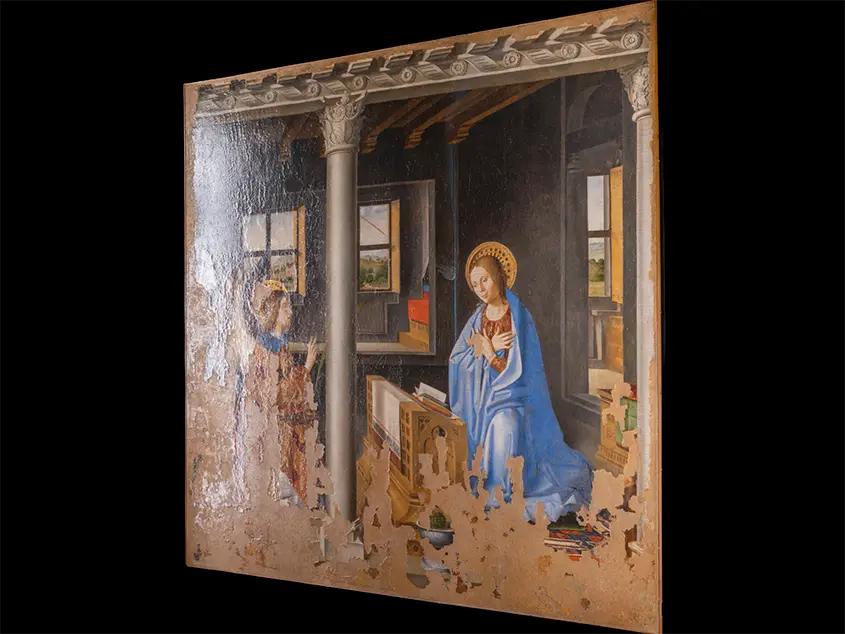
L’Annunciazione by Antonello da Messina. The rediscovery of a masterpiece
The beautiful painting to be seen in Syracuse is kept in Palazzo Bellomo: it is the Annunciation by Antonello da Messina.
explore

Rural Houses
Between Syracuse and Palazzolo Acreide it is possible to find houses that bear witness to the fascist regime's attempt to reorganise the Sicilian territory.
explore
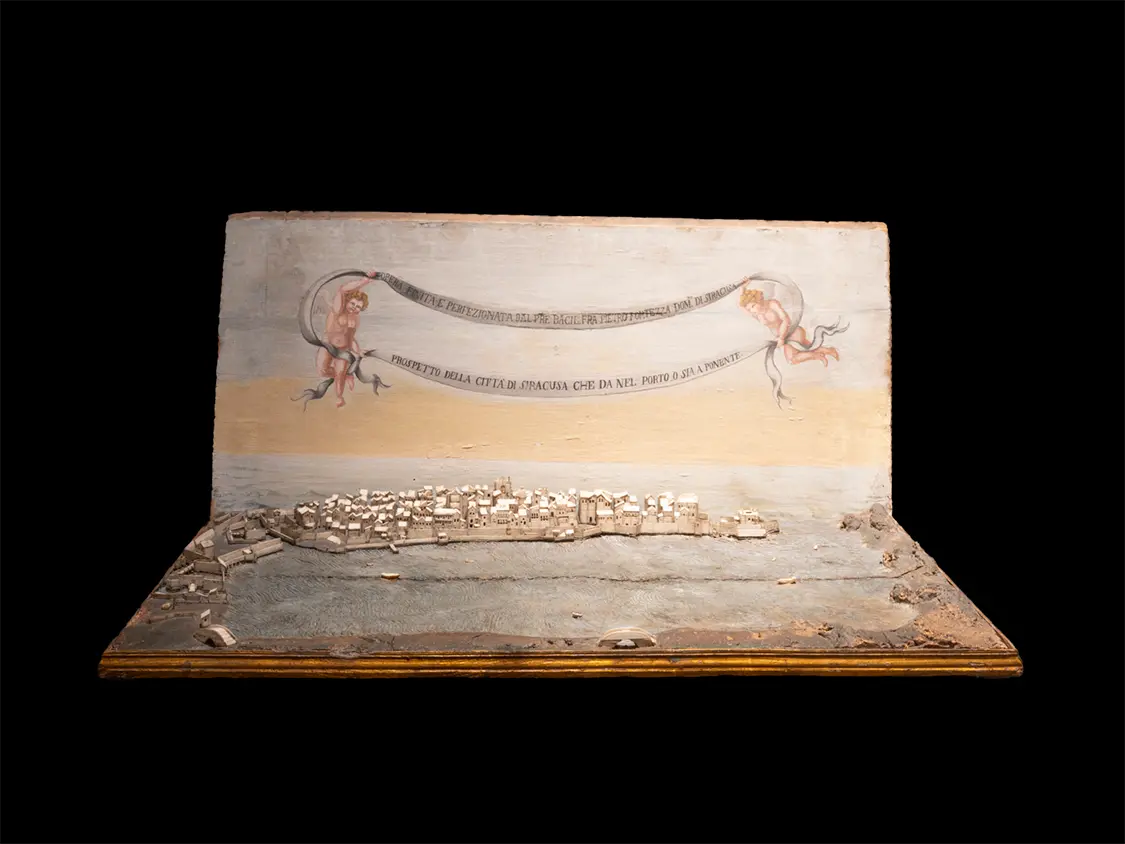
Introduction to the Stories
The Stories offer various ways to approach a territory, starting from a personality, a rediscovery, or an object that catches the eye.
explore
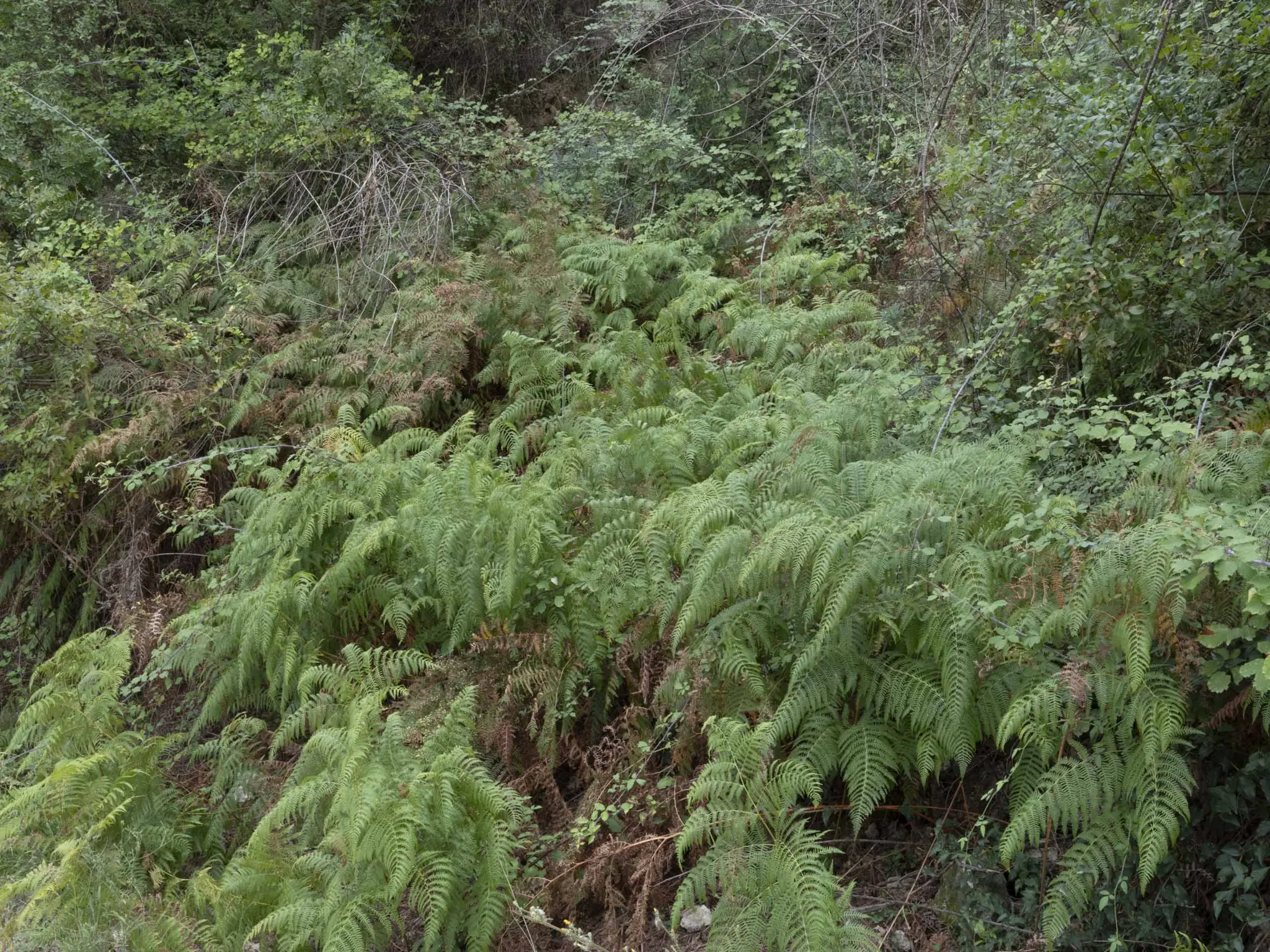
Elio Vittorini
Syracuse’s most celebrated writer is Elio Vittorini (1908-1966), and the novel that sealed his bond with his hometown—which he left for good at age 20—was Conversazione in Sicilia
explore
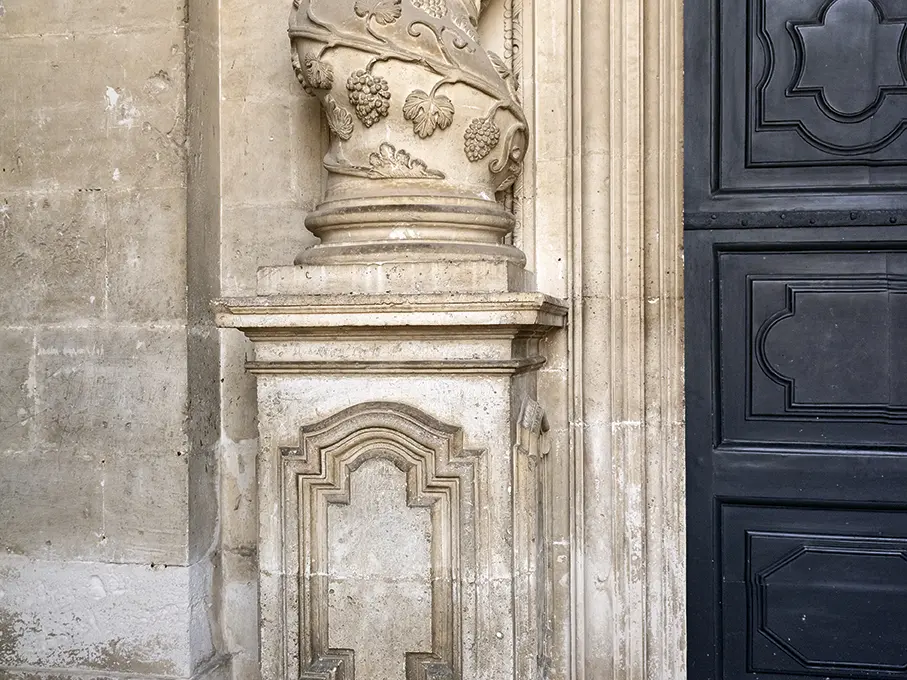
A Greek Duomo
There is no other ancient temple that has endured to the present day in a guise that both preserves its structure and illuminates its new Christian function quite like the Duomo of Syracuse...
explore
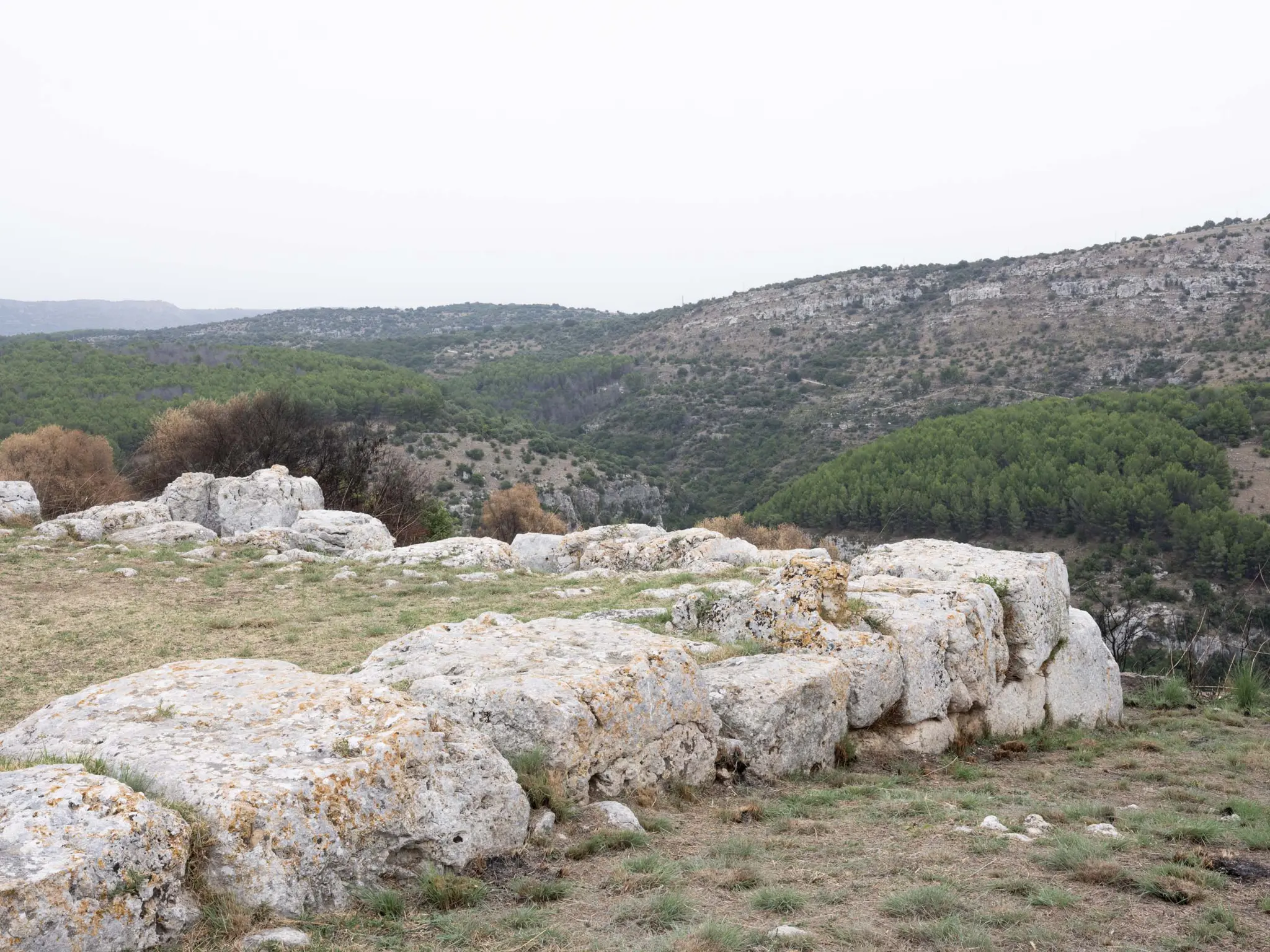
From erudition to museum
The person most responsible for the reappraisal of Syracuse’s antiquities in the modern age was an intellectual named Vincenzo Mirabella
explore
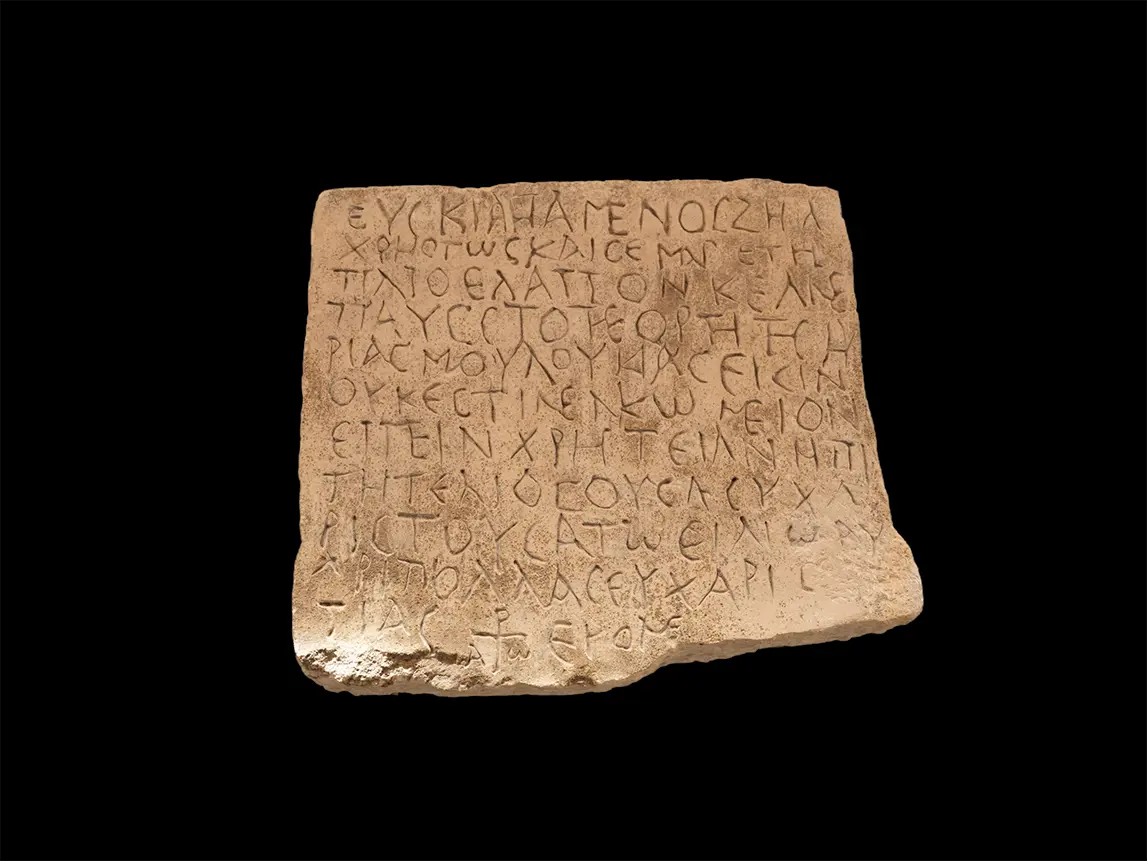
The Epigraph of Euskia
The discovery of this epitaph is credited to Paolo Orsi, who in 1894 was investigating the galleries in the Catacomb of San Giovanni.
explore

Francesco Laurana in Palazzolo Acreide
The Baroque church of the Immacolata in Palazzolo Acreide houses a masterpiece by Francesco Laurana, identified by Stefano Bottari in 1955.