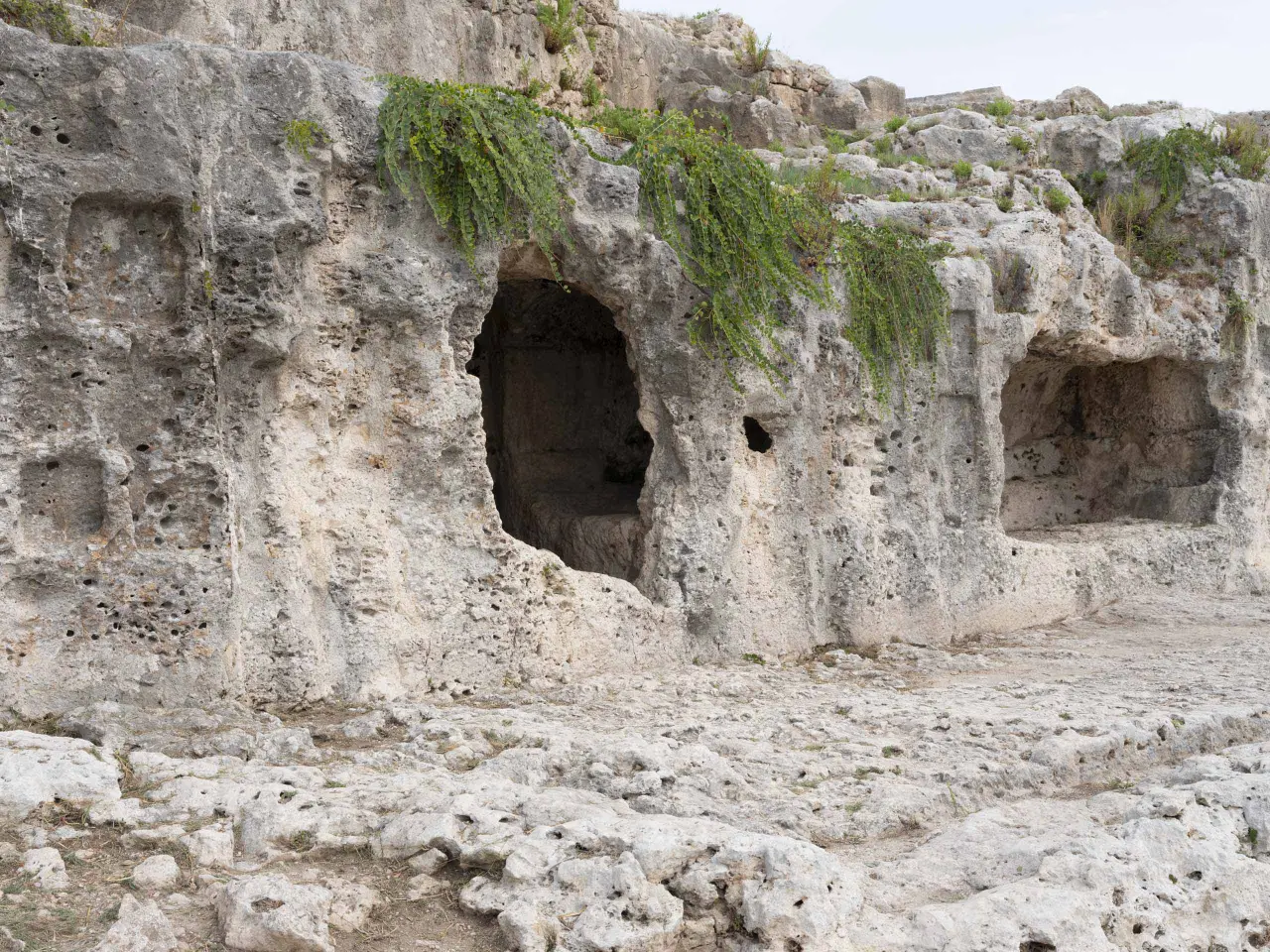


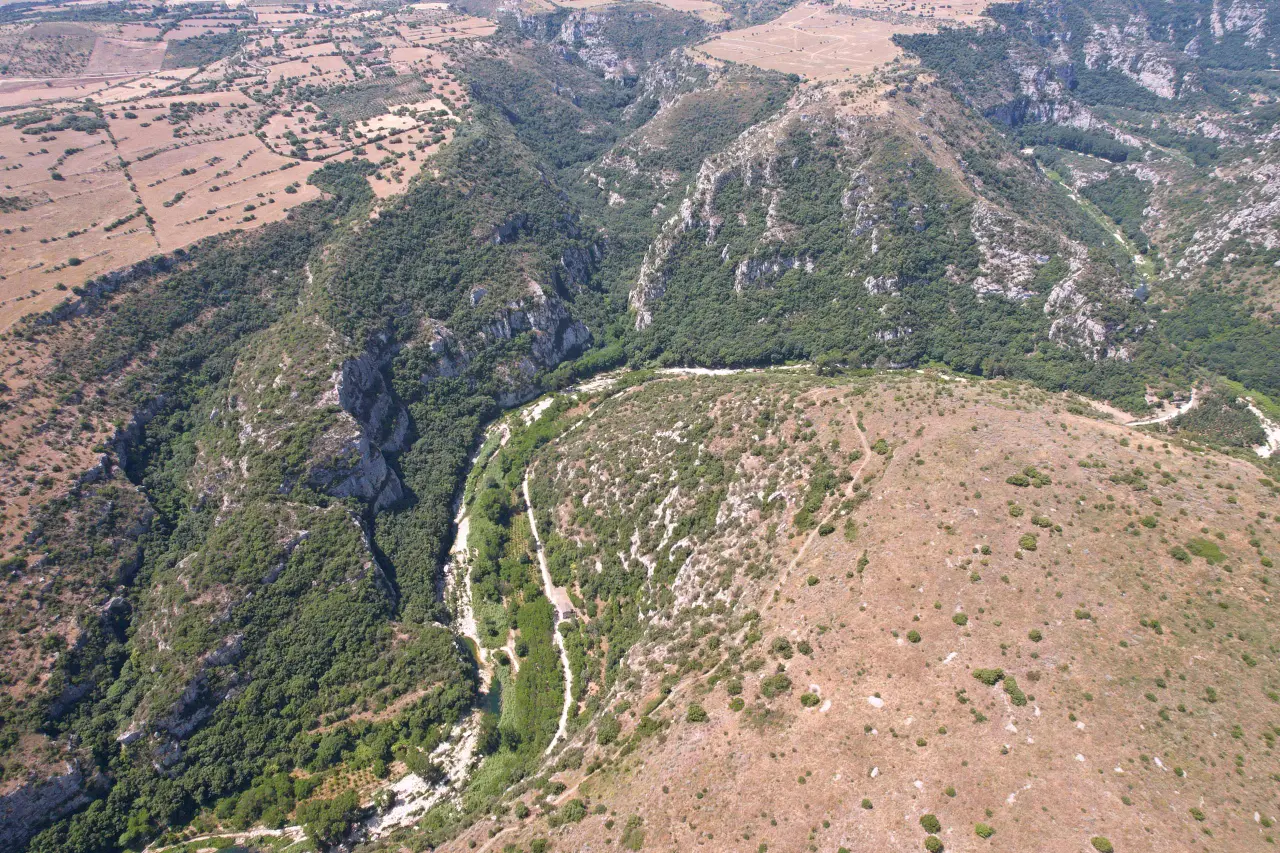
The history of Pantalica’s residential settlement is difficult to understand based on archeological data. It may have disappeared over time, or been hidden beneath the plain. In any case, the structure known as the Anáktoron—a building dating to the 13th century BC, strategically set on a hilltop—seems likely to have been its political center. The name, meaning “sovereign’s palace” or “royal residence” in Greek, was bestowed by Orsi, the first archeologist to study the site.
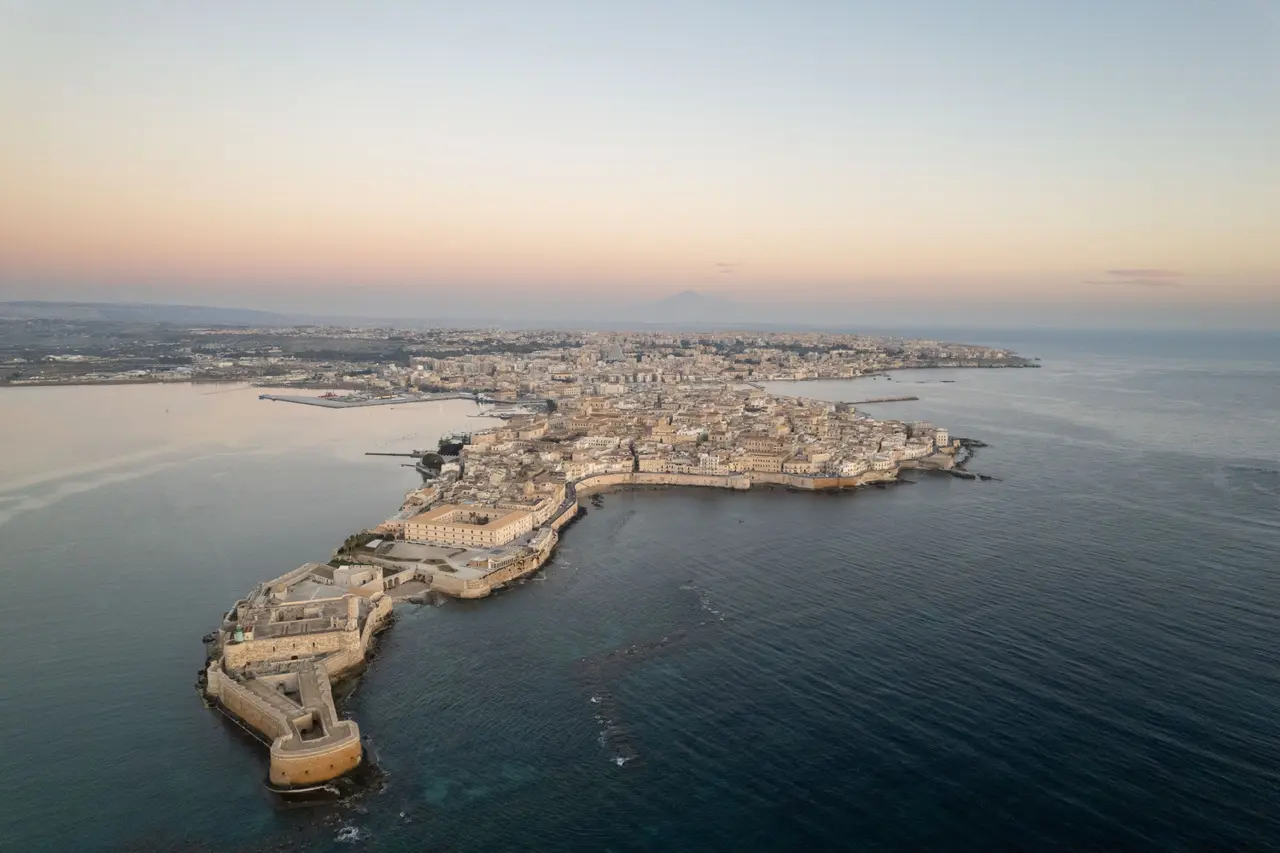
Tommaso Fazello (1498-1570), a Dominican friar from Sciacca who studied and traveled the length and breadth of Sicily, was the first to hypothesize that Pantalica might be a Sicel city mentioned in literary sources: Herbessos, which was destroyed in 404 BC by Dionysius I. More advanced studies led to the development of a new hypothesis by Luigi Bernabò Brea, the great 20th-century archeologist who worked in Sicily, identifying Pantalica as the Hybla mentioned by Thucydides (6, 4) and Polyaenus (5, 5). The Megarians who founded Megara Hyblaea may have been welcomed by Hyblon, king of Hybla, following a clash with the Chalcidians of Lentini, but the equilibrium would have been disrupted with the founding of Syracuse, eventually bringing about the destruction of Pantalica.
The oldest settlement probably dates to the late Bronze Age, and the Anáktoron appears to be the only vestige of this colonization of the place. It was discovered by Paolo Orsi, who had a meticulous planimetric survey of the monument made between 1895 and 1897.
The Anáktoron was constructed based on enormous blocks of stone methodically molded to fit perfectly together; they probably came from an area many kilometers away from Pantalica. The precision of the construction is of a piece with the care taken in choosing the stone. These architectural characteristics led Orsi to hypothesize possible contacts with Mycenaean civilization, which dominated the Mediterranean Sea at the time.
The imposing walls and the presence of a large central hearth in the Anáktoron recall fortifications of Tiryns and Mycenae, as well as mégara tón andrón (μέγαρα τῶν ἀνδρῶν), spaces where Mycenaean dignitaries made decisions. We can easily imagine this structure as a seat of power, where the fate of the community of Pantalica was determined. Contacts between the Mycenaean world and Sicily are attested to by findings of painted ceramics on the island’s east coast. Studies of the construction methods used for the Anáktoron suggest that it may be further evidence of a Mycenaean presence in Sicily.
This civilization, with its exceptional capacity for cultural exchange and cross-pollination, was slowly subjugated as time went on, before Syracuse came along to found its sub-colonies, Akrai and Casmene.


